Why Crew Training Matters: The Hidden Cost of Wrong Formwork Choices
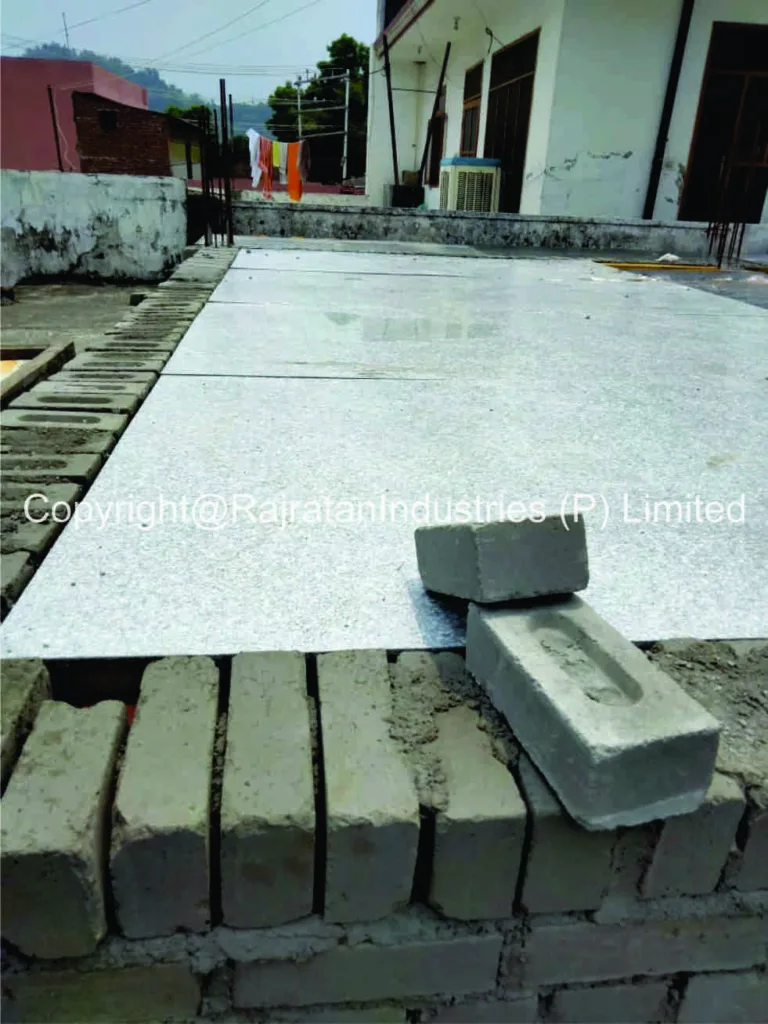
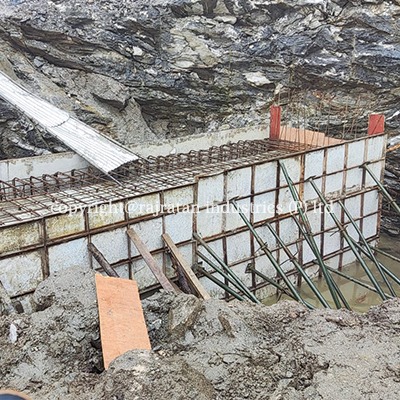
Construction supervisors lose 15–25% of project margins to timber plywood that warps, rots, and requires secondary plastering rework. Traditional timber boards fail after 8–12 reuse cycles, forcing contractors to replace formwork mid-project. Low-cost plastic alternatives snap under vibration and leave splinters that demand extra labor to clean formwork surfaces. Your masonry crew deserves training on shuttering materials engineered for both workability parity and structural durability. Plastic Concrete Formwork offers a more durable approach to concrete construction, and PAC Plastic Shuttering Boards replace timber plywood 1:1 while delivering 40–60+ reuse cycles, zero water absorption, and NABL-certified compressive strength of 22.0 N/mm²
Pre-Deployment Crew Briefing Checklist
Before your first board arrives on-site, brief your team on three critical points: (1) PAC boards work identically to timber for cutting, nailing, and drilling—no retraining required; (2) The reinforced composition (XLP, fiber, aluminum oxide, metal dust) prevents cracking under repetitive nail extraction; (3) Boards stay dimensionally stable in sun, water, and heat—no warping like plywood. Distribute this one-page checklist to foremen and equipment operators.
| Task | PAC Board Behavior | Timber Plywood Behavior | Crew Action |
|---|---|---|---|
| Nailing & Extraction | Metal dust reinforcement prevents crack propagation. Fibers re-set between cycles. 40–60+ nail holes per board. | Splinters after 8–12 nail cycles. Grain splits perpendicular to extraction. | Use standard 16mm nails. Wear dust mask (aluminum oxide particles). Extract at 45° angle to minimize fiber disturbance. |
| Cutting | Carbide blade recommended. Cut-face is clean with no chipping. Density = 1135 kg/m³ (higher than timber). | Splinters heavily. Requires edge sealing after cut. | Clamp board before cutting. Use circular saw or hand saw with 60–80 TPI blade. No additional finishing needed. |
| Drilling | High-speed steel (HSS) or carbide bits. No splintering on entry or exit. Holes remain perfectly sized after 50+ uses. | Splintering requires backup board. Holes enlarge after 3–4 reuse cycles. | Drill at 90° to board surface. Diameter holes do not require countersinking. Backup board optional. |
| Vibro-Compaction (Brick/Block Plants) | Zero delamination. No warping under 7500 kg static load. Pallet remains flat after 500+ machine vibrations. | Wooden pallets crack, warp, and break under prolonged vibration. | Load pallet symmetrically. No edge stacking. Machine cycles can increase by 30% without pallet degradation. |
| Water Exposure | Zero water absorption. Submerge indefinitely without swelling or delamination. Moisture content: 0.33–0.64%. | Timber swells 5–8% within 24 hours of water contact. Rot and fungal decay follow. | Boards can remain in rain or slurry ponds. No tarpaulin covering needed. Cost savings: eliminate weather protection logistics. |
Step-by-Step Cutting Techniques With Safety Protocols
PAC Plastic Shuttering Boards cut identically to 12mm or 18mm marine plywood. However, because the material is denser (1135 kg/m³ vs. ~650 kg/m³ for timber), crew members must secure the board firmly before making cuts. Use C-clamps at 12-inch intervals on both sides of the cut line. A carbide circular saw blade (60–80 teeth, 4,500–5,500 RPM) produces the cleanest cut with zero chipping. For hand-saw cutting on-site, use a 20 TPI handsaw with slow, even strokes to prevent binding. Important: The cut surface is exposed XLP and aluminum oxide particles. Crews must wear 3M P100 or higher dust masks during cutting operations. Post-cut edges do not require sealing or finishing—boards are ready for immediate formwork assembly. Unlike timber, no splinter hazard exists, reducing site cleanup labor by 10–15 minutes per board.
Nailing Best Practices: Density-Driven Crack Resistance on Repetitive Use
The core technical advantage of PAC boards for masonry crews is crack resistance under repetitive nailing. Conventional 16mm galvanized steel nails penetrate 25–30mm into the board (leaving 3–5mm embedment). When formwork is stripped, the nail is extracted at 45° angle, leaving a hole approximately 3mm in diameter. Timber plywood experiences grain splitting perpendicular to the nail hole after 8–12 extractions. PAC boards remain structurally sound after 40–60 extractions because internal XLP fibers re-set between cycles, preventing cumulative micro-fractures. Nailing protocol: (1) Pre-mark nail positions 50mm from board edge, spaced 300mm center-to-center; (2) Use a 16mm × 3.15mm galvanized finish nail with a 10mm diameter hammer head; (3) Strike nail at 90° to board surface with controlled force (2–3 full-swing hits per nail); (4) Do not over-drive—nail head should sit flush with board surface, not recessed; (5) Extraction: Use a flat pry bar placed at 45° angle, apply steady upward pressure without rocking side-to-side (rocking creates enlarged holes). After board retirement (40–60 cycles), holes are ready for 40% scrap buyback credit.
Drilling for Tie Rods, Clamps & Anchor Points
PAC boards accept standard high-speed steel (HSS) or carbide twist drill bits without splintering on entry or exit—a major advantage for tie-rod holes and anchor clamp penetrations. Drilling procedure: (1) Mark hole center with pencil or marking fluid; (2) Use a carbide bit sized for your tie-rod or clamp diameter (typically 8mm, 10mm, 12mm); (3) Drill at 90° to board surface at 500–1,200 RPM (handheld cordless drills work fine); (4) No backup board required—zero exit splintering; (5) Hole remains dimensionally stable after 50+ drill/undrill cycles (unlike timber, where holes enlarge 1–2mm after 3–4 uses). For tie-rod assemblies, PAC boards accept threaded inserts rated for 2,000+ insertion/removal cycles. Installation: screw the insert into the drilled hole using an insertion tool, then thread the tie-rod bolt. The composite structure resists pull-through failure even under sustained lateral loads common in large-panel concrete casting. Cost benefit: tie-rod reassembly labor drops by 20–30% because crews no longer need to drill new holes or install wooden shims to compensate for enlarged holes.
ROI Comparison: PAC Boards vs. Timber Plywood Cost Per Cycle
Conduct this calculation with your project accountant to justify PAC adoption to site management:
| Metric | PAC Standard White (12mm) | Timber Plywood (12mm Marine) | Savings per Cycle |
|---|---|---|---|
| Purchase Price | ₹80/sq.ft. (~₹2,560/sheet) | ₹65/sq.ft. (~₹2,080/sheet) | — |
| Expected Reuse Cycles | 40 cycles minimum | 10 cycles maximum | +30 extra cycles |
| Cost Per Cycle | ₹2,560 ÷ 40 = ₹64/cycle | ₹2,080 ÷ 10 = ₹208/cycle | ₹144 savings/cycle |
| Water Damage & Secondary Plastering Rework | ₹0 (zero absorption) | ₹150–₹300/sheet (typical repair cost) | ₹150–₹300/sheet |
| 40% Buyback Credit (After Retirement) | ₹2,560 × 0.40 = ₹1,024 | Scrap timber value: ₹200–₹400 | ₹600 additional credit |
| Net Cost Per Sheet (After Buyback) | ₹2,560 − ₹1,024 = ₹1,536 | ₹2,080 − ₹300 = ₹1,780 | ₹244 lower lifetime cost |
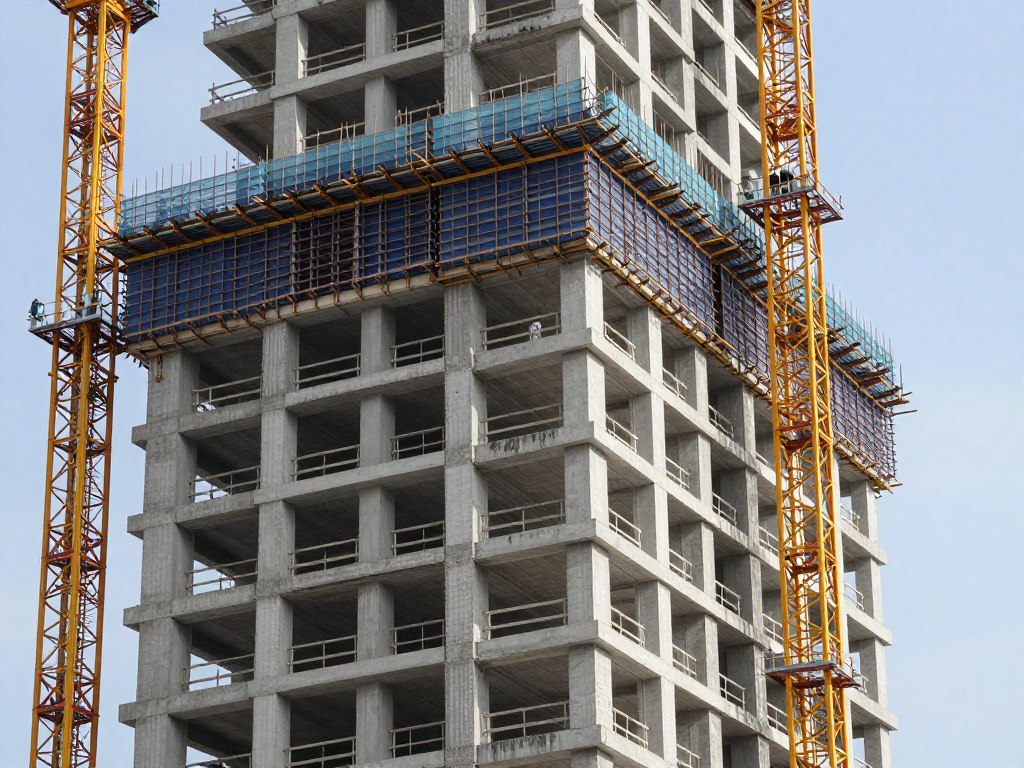
Over a 40-story residential project (typical 200–300 board inventory), PAC adoption nets savings of ₹48,000–₹72,000 in material and rework costs while reducing site labor for water damage mitigation and scrap processing.
Conclusion
Proper crew training helps contractors get the best performance from PAC® Shuttering Boards. Their ability to be cut, nailed and drilled like conventional plywood, combined with repeated-use potential and moisture resistance, can help reduce rework, maintenance and replacement costs.
With 40+ reuse cycles, 40% buyback credit and lower cost per cycle, PAC® boards offer a practical solution for crews handling repetitive formwork.
Train your crew right. Work smarter. Reuse more. Save more.