From Plywood to Plastic: A Contractor’s Guide to Transitioning Formwork Inventory
The Plywood Problem: Why Your Formwork Is Costing You Money
Conventional plywood formwork absorbs moisture, splinters after 5–8 casting cycles, and forces costly replacement purchases every season. Water damage extends project timelines, secondary plastering increases labor costs, and disposal fees bleed 15–20% of direct material savings. Contractors nationwide report losing ₹80,000–₹150,000 annually to plywood wastage on mid-sized residential projects alone.
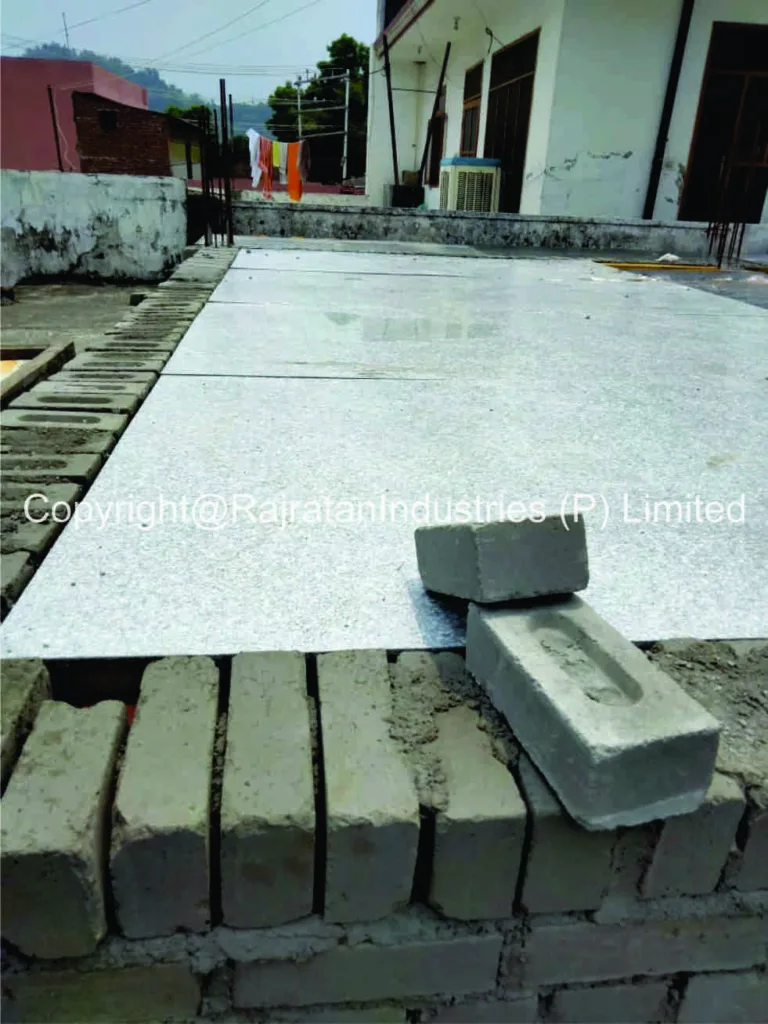
Direct answer: Plywood fails because it absorbs water (swelling 2–4%), harbors termites in wet conditions, and loses structural integrity after repetitive nail extraction. PAC Plastic Shuttering Boards provide a durable alternative to conventional plywood, making them a reliable choice for Slab Formwork Board applications. They eliminate common failure modes with zero water absorption, high moisture resistance, and 40–60 reuse cycles per sheet, while a 40% scrap buyback credit can reduce net material costs compared with repeated replacement cycles.
PAC Plastic Shuttering Boards: The Technical Upgrade
Engineered from reinforced industrial packaging waste (Patanjali, Nestlé production lines), PAC boards are reinforced with metal dust powder, aluminum oxide, and XLP fiber. NABL-certified labs (Choksi Laboratories, STEDRANT) verify compressive strength of 22.0 N/mm² and density of 1135 kg/m³—matching structural performance of high-grade plywood while adding zero-water absorption.
| Performance Metric | PAC Board (Certified) | Conventional Plywood |
|---|---|---|
| Water Absorption | 0% (infinite submersion) | 3–5% (swelling, delamination) |
| Density | 1135 kg/m³ | 600–750 kg/m³ |
| Compressive Strength | 22.0 N/mm² | 12–16 N/mm² |
| Static Load Capacity | 7,500 kg | 4,000–5,500 kg |
| Reuse Cycles | 40–60 uses | 5–8 uses |
| Moisture Content | 0.33–0.64% | 8–12% |
| Nail/Cut/Screw Workability | ✓ Full compatibility | ✓ Standard |
The 40% Buyback Model: Real-World Cost Savings
Direct answer: Standard 12mm White boards cost ₹2,560 per sheet (₹80/sq. ft.). After 40–50 casting cycles, scrap value equals ₹1,024 (40% credit). New board net cost: ₹1,536—60% cheaper than buying replacement plywood every 6–8 weeks. Over three years, a 100-sheet inventory eliminates ₹152,400 in replacement waste.
| Scenario | Year 1 Material Cost | Year 2 Material Cost | Year 3 Total Savings |
|---|---|---|---|
| 100 Plywood Sheets (Replacement Model) | ₹2,56,000 (initial purchase) | +₹2,56,000 (full replacement) | ₹5,12,000 / 3 years |
| 100 PAC Boards (Buyback Model) | ₹2,56,000 (initial) | ₹25,600 (net, after 40% credits) | ₹3,35,200 / 3 years Save: ₹1,76,800 |
Why Contractors Hesitate (And Why They Shouldn’t)
Objection 1: “Won’t plastic crack or splinter under repetitive nailing?”
No. PAC boards are reinforced with metal dust and aluminum oxide (density 1135 kg/m³). Internal fiber matrices re-set after nail extraction—zero structural degradation or finish defects after 40+ cycles. Full nail/cut/screw workability matches timber without any retraining.
Objection 2: “Supply-chain risk—what if boards aren’t available?”
Rajratan supplies 4,000+ plants across 90 Indian cities via TCI Freight, VRL Logistics, and Safexpress. Trial orders (5–50 sheets) dispatch within 48 hours on 100% advance payment. For medium/large projects, 30-day inventory is standard (30% advance, 70% on LR/Bilty).
Objection 3: “What about initial capital outlay?”
The 40% buyback credit is applied as you complete cycles. Year 1: you buy 100 sheets (₹2,56,000). Year 2: you replace worn boards for only ₹25,600 net. By month 18, you’ve recouped the entire premium over plywood through eliminated waste and disposal costs.
The Upgrade Path: No Replacement Required
Unlike full inventory overhauls, the transition happens gradually. Contractors run plywood and PAC boards in parallel for 2–3 months, then retire plywood as PAC cycles accumulate. Existing formwork rigs, lifting equipment, and crew training transfer 100%—no reengineering needed.
Typical transition timeline:
- Month 1: Order trial batch (10–20 sheets). Test on one project phase. Document nail-hold power, water resistance, and finishes.
- Month 2–3: Deploy 50–100 boards across parallel projects. Measure actual cycle counts and defect rates.
- Month 4+: Scale to full inventory. Retire plywood. Begin scrap buyback cycle for net-cost operations.
Free Inventory Assessment & Buyback Quote
Rajratan provides a no-obligation formwork audit for contractors. We measure your current plywood inventory (sheet count, dimensions, condition), calculate replacement timelines, and generate a buyback quote for legacy boards. Most contractors discover they can offset 40–60% of upgrade costs through existing inventory liquidation.
What the assessment includes:
- Scrap valuation of your current plywood inventory
- Recommended PAC board mix (Standard White for residential, Premium Black for infrastructure)
- 3-year cost projection with buyback cycles
- Logistics timeline and delivery guarantees
- Custom payment plans for fleet upgrades
Why PAC Boards Outlast Everything
PAC boards eliminate the three failure modes that destroy conventional formwork:
- Moisture intrusion: Zero water absorption = no swelling, delamination, or termite harborage.
- Structural fatigue: 1135 kg/m³ density + metal dust reinforcement = zero cracking on 40–60 nail cycles.
- Inventory bleed: 40% buyback credit means boards pay for themselves while in use
Conclusion
Switching from plywood to PAC® Shuttering Boards can help contractors reduce replacement, maintenance and formwork waste while improving long-term cost efficiency. With 40–60 reuse cycles, timber-like workability and a 40% buyback model, contractors can transition gradually without completely changing their existing site workflow.
Upgrade Your Formwork. Reuse More. Reduce Costs.