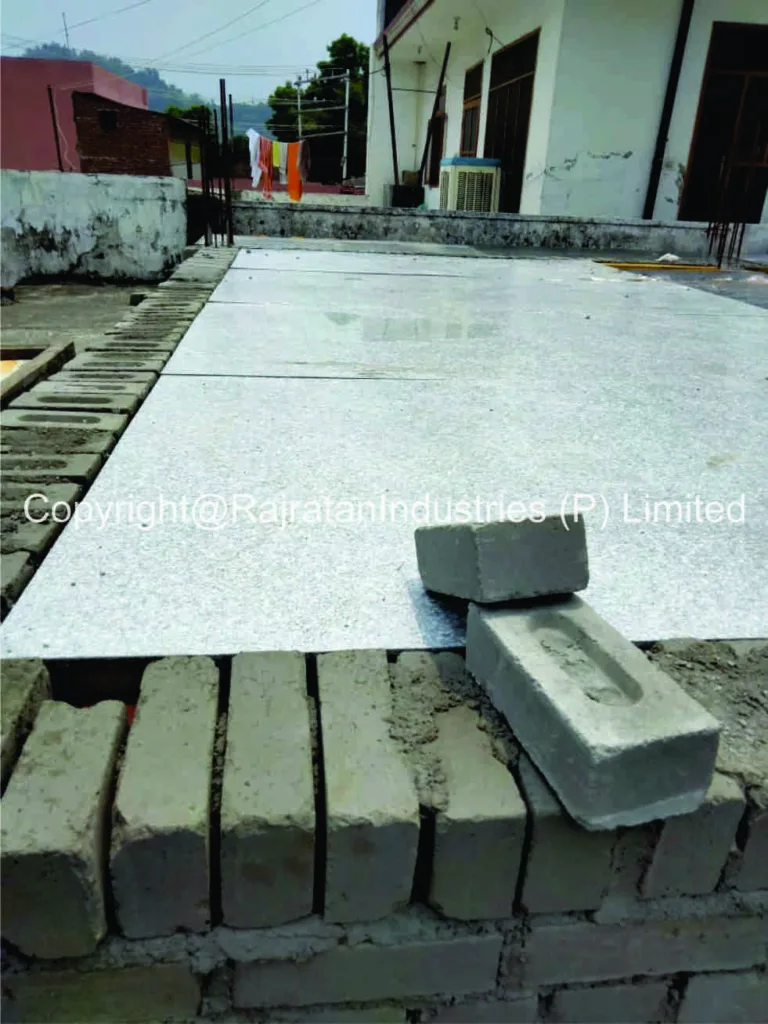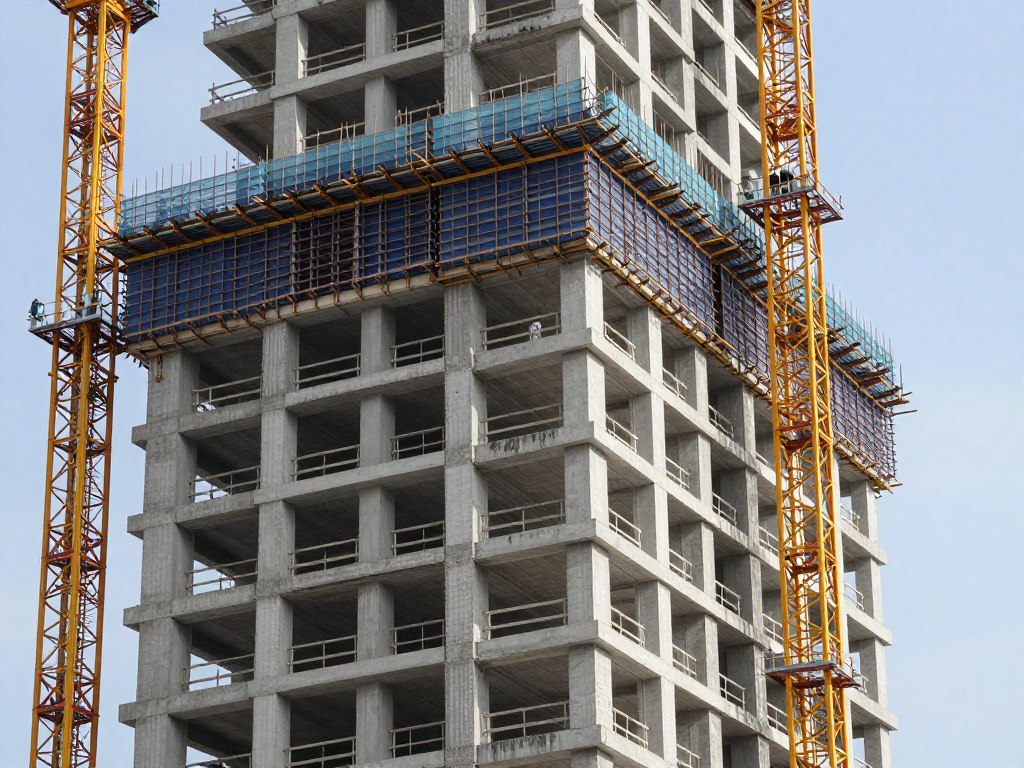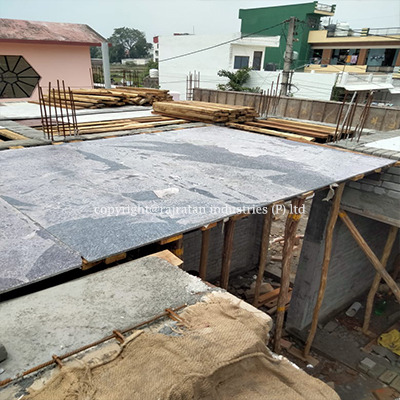
Before pouring concrete, every construction site needs a thorough formwork inspection. Even a small gap between shuttering panels, a loose support or incorrect alignment can lead to slurry leakage, uneven concrete surfaces and costly rework.
A pre-pour formwork inspection checklist helps site engineers and contractors identify these issues before concrete placement begins. Whether you use conventional plywood or PAC® Shuttering Boards, checking the formwork system in advance supports better quality control, safer construction and smoother site operations.
In this blog, we cover 15 essential checks to complete before pouring concrete.
1. Check Formwork Line, Level and Plumb
The first step is to verify the alignment of all shuttering panels. Use a spirit level, plumb bob or auto-level to check whether columns are vertical and slab and beam formwork is at the correct level.
Check the dimensions against the approved structural drawings and correct any deviations before pouring. Proper alignment helps achieve the required shape and dimensions of the finished concrete structure.
2. Inspect Panel Joints for Gaps
Loose joints between shuttering panels can allow cement slurry to escape during concrete placement. This may result in surface defects, honeycombing and additional repair work.
Inspect the joints between every panel, especially at corners, beam-column junctions and slab edges. Ensure that panels fit properly and seal any gaps using a suitable method.
Plastic centering sheets can provide a consistent working surface, but proper fitting and joint sealing remain essential.
3. Check Props and Staging
Props and staging support the formwork during concrete placement. Before pouring, inspect steel props, cuplock staging and other temporary supports.
Ensure that:
- Props are correctly positioned and secured.
- The supporting ground is stable.
- Suitable base plates or sole plates are provided where required.
- Supports are free from visible damage.
- The arrangement follows the approved formwork design.
Never place supports on loose soil or uncompacted backfill without suitable preparation and engineering approval.
4. Verify Lateral Bracing
Lateral bracing helps prevent unwanted movement in the formwork support system. Check all diagonal braces, connections and restraints before starting the pour.
Concrete placement and vibration can introduce movement into an inadequately supported system. Ensure that the bracing arrangement is installed according to the approved temporary works design.
5. Inspect Tie Rods and Clamps
For column and wall shuttering, inspect tie rods, wing nuts, wall clamps and column clamps.
Make sure all required components are installed, properly tightened and free from damage. Where spacer tubes are specified, confirm that they are correctly positioned.
Properly i