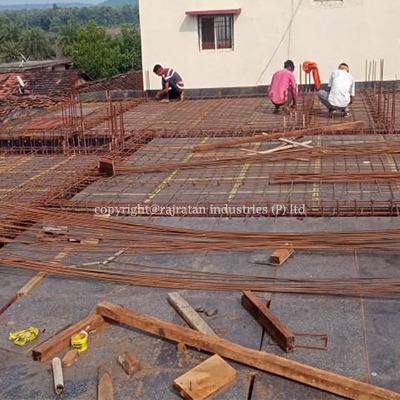
For contractors and builders, shuttering is one of the most important parts of concrete slab casting. The performance of the formwork directly affects concrete finish, project costs, and the number of times a sheet can be reused.
Traditional plywood can swell, split at the edges, lose its shape, and deteriorate when exposed to water. This is especially problematic during monsoon conditions or when sheets are repeatedly exposed to curing water.
This is why many construction professionals are turning to PAC® Shuttering Boards, also known as plastic shuttering boards, plastic centering boards, or plastic formwork boards.
However, choosing a durable board is only the beginning. Proper handling, cleaning, and storage are equally important if you want to achieve higher repetitions and get maximum value from your shuttering investment.
Why PAC® Shuttering Boards Can Outlast Traditional Plywood
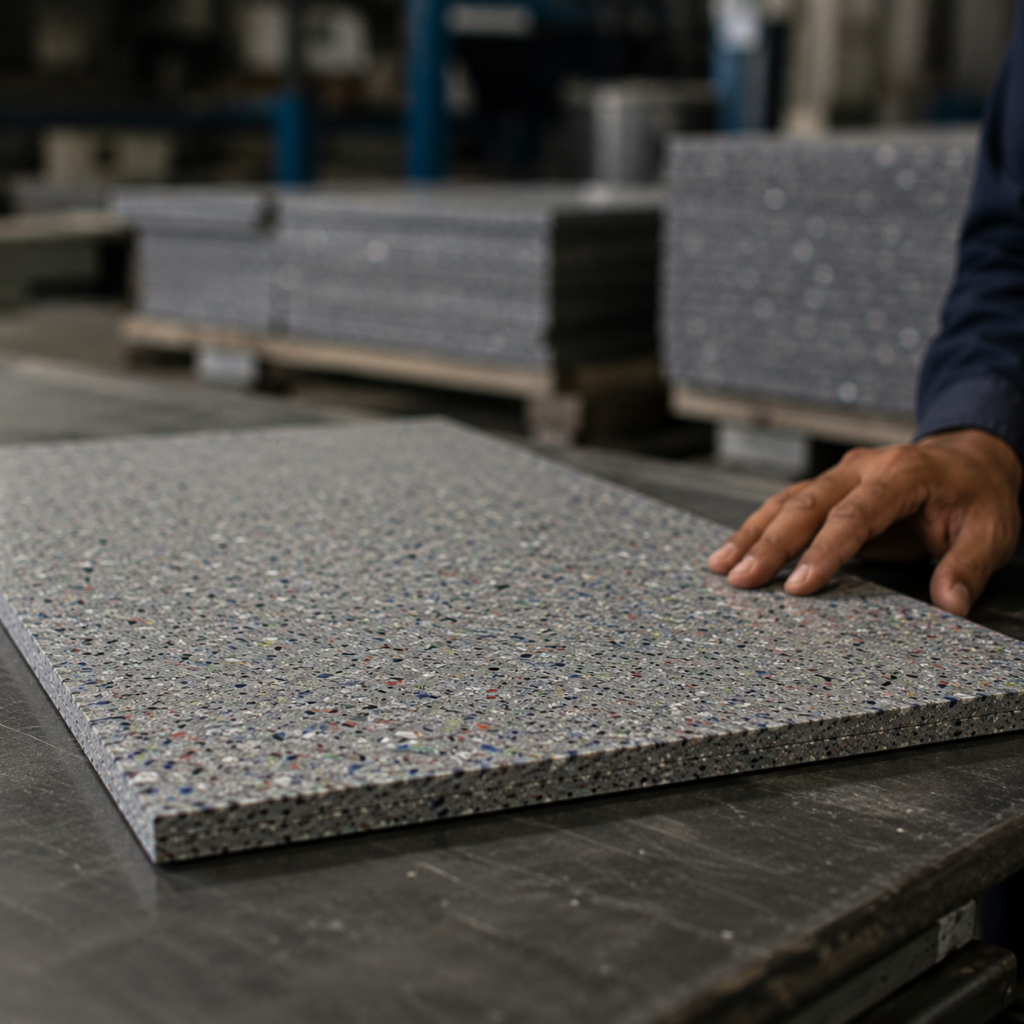
PAC® Shuttering Board is a durable concrete formwork sheet made using industrial-grade plastic, aluminium oxide, fibres, and XLP metals.
Unlike plywood, PAC® boards are waterproof and designed to withstand the demanding conditions commonly found on construction sites.
Rajratan’s PAC® Shuttering Boards are available in different grades for different applications, from standard slabs and beams to heavy RCC columns, walls, and bridge projects.
PAC® Shuttering Board Grades
|
Feature |
ECOPRIME Standard |
ECOPRIME Premium |
|
Primary Application |
Standard slabs, beams & columns |
Heavy RCC columns, walls & bridges |
|
Density |
1100 kg/m³ |
1320 kg/m³ |
|
Thickness |
12 mm, 18 mm |
12 mm, 18 mm |
|
Expected Repetitions |
30–40 uses |
60+ to 100+ uses* |
*Repetitions depend on site conditions, handling, surface preparation, and maintenance.
Cost Per Use: The Number That Matters
The purchase price of a shuttering sheet does not tell the complete story. A better way to evaluate formwork is to calculate the cost per use.
For example, if a plywood sheet costs around ₹45 per sq. ft. and is used for approximately five casting cycles, its material cost works out to around ₹9 per use.
A PAC® Shuttering Board priced at around ₹80 per sq. ft. and used for approximately 40 cycles works out to around ₹2 per use.
A premium board costing around ₹90 per sq. ft. and delivering 60+ uses can bring the material cost down to approximately ₹1.50 per use.
This is why contractors should look beyond the initial purchase price and evaluate the total number of usable repetitions.
4 Practical Ways to Extend the Life of Your Shuttering Boards
Getting more repetitions from your shuttering boards does not require complicated maintenance. In most cases, it comes down to how the boards are handled on-site.
1. Demould Carefully
One of the easiest ways to damage a shuttering board is during demoulding.
Heavy iron crowbars can chip edges, while throwing sheets from height can damage corners or create cracks and deformation.
Best practice:
- Use wooden wedges to gently release the board from concrete.
- Avoid aggressive prying with heavy tools.
- Pass boards down manually or use a rope-and-pulley system.
- Do not throw sheets from upper floors.
PAC® boards are tough, but careful handling will help preserve their edges and extend their usable life.
2. Clean Concrete Residue Without Hard Chipping
Concrete residue should be removed without damaging the board surface.
Unlike plywood, PAC® boards have a smooth surface that does not absorb water. Concrete can therefore be removed more easily.
Best practice:
- Remove wet concrete using a flat scraper.
- Wash dried residue with water where required.
- Use an appropriate mild cleaning solution when necessary.
- Avoid excessive hammering or aggressive chipping.
- Use less shuttering oil than you would typically require with plywood.
The smoother the board remains, the easier it is to achieve a consistent concrete finish during subsequent uses.
3. Avoid Unnecessary Nail Holes
PAC® boards can be nailed, screwed, and drilled using standard site tools. However, unnecessary or tightly clustered holes should be avoided.
Repeatedly placing multiple nails within a small area can weaken that particular section of the board.
Best practice:
- Plan nail positions before installation.
- Keep nails appropriately spaced.
- Avoid creating unnecessary holes.
- Use waterproof filler or silicone sealant where old holes need to be closed.
Good nailing practices help maintain the structural integrity and appearance of the board.
4. Store Boards Flat
Proper storage is often overlooked.
PAC® boards are waterproof and UV resistant, but they should still be stored correctly to maintain their shape over long periods.
Best practice:
- Choose a clean, level storage area.
- Place wooden runners or battens underneath the stack.
- Keep boards stacked flat.
- Avoid storing them unevenly on loose bricks or irregular surfaces.
- Do not place heavy loads unevenly on top of the boards.
Correct stacking helps keep the sheets straight and ready for the next casting cycle.
Handling Real Construction-Site Challenges
Choosing a new formwork material often raises practical questions for contractors. Two common concerns are payment and trial orders.
Can You Test PAC® Shuttering Boards Before Buying in Bulk?
Yes. Instead of immediately purchasing a large quantity, contractors can start with a trial order of 5–10 sheets.
This allows the site team to test the boards under actual project conditions, including cutting, drilling, nailing, handling, demoulding, and concrete finishing.
Once the team is satisfied with the performance, a larger order can be planned.
Can PAC® Boards Be Cut Using Regular Tools?
PAC® Shuttering Boards can be cut using standard hand saws or circular power saws used on construction sites.
For cleaner cuts, a TCT (Tungsten Carbide Tipped) blade with a higher tooth count can be used.
This means contractors do not necessarily need an entirely new set of tools to work with plastic formwork boards.
How the 40% Buyback Program Can Reduce Long-Term Cost
One of the key advantages highlighted in the source material is Rajratan’s 40% buyback program.
When PAC® boards reach the end of their useful life, old, damaged, or broken sheets can be returned to the Rajratan facility in Indore for a value adjustment against a new purchase.
This creates a more circular approach to shuttering materials.
Instead of treating an old sheet as waste with no further value, the material can be recovered and recycled into future products.
For contractors, this can help reduce the long-term cost of ownership while also supporting better material recovery.
PAC® Shuttering Board Maintenance: Quick Checklist
For site supervisors and contractors, the key practices are simple:
- Demould carefully.
- Avoid heavy crowbars wherever possible.
- Do not throw boards from height.
- Remove concrete residue without aggressive chipping.
- Avoid unnecessary clustered nail holes.
- Store boards flat on a level surface.
- Protect edges during transportation and handling.
- Clean the boards before stacking them for reuse.Small changes in site handling can make a significant difference when a board is being reused across multiple casting cycles.
Frequently Asked Questions
Is PAC® Shuttering Board waterproof?
According to the provided product information, PAC® Shuttering Board is 100% waterproof and does not absorb moisture like plywood. This helps prevent swelling, rotting, and delamination caused by water exposure.
Can PAC® Shuttering Boards be cut with regular carpentry tools?
Yes. The provided information states that PAC® sheets can be cut, drilled, nailed, and screwed using standard woodworking tools and circular power saws.
How does the 40% buyback program work?
Old, scrap, or broken PAC® boards can be transported back to the Rajratan facility in Indore. Their weight/value is assessed and the applicable buyback adjustment is made against a new order.
What is the recommended trial quantity?
A trial order of 5–10 sheets is recommended for testing the product on-site before moving to a larger requirement.
Conclusion
A durable shuttering board can reduce replacement frequency, improve material utilisation, and lower the effective cost of every casting cycle. But the actual performance of any reusable formwork depends heavily on how it is handled.
With PAC® Shuttering Boards, contractors can combine a durable, waterproof formwork material with practical maintenance and handling practices to maximise repetitions.
The key is simple: demould carefully, clean properly, nail smartly, and store flat.
When these practices become part of everyday site operations, your shuttering boards can deliver more usable cycles and better long-term value for your construction projects.